
A well-matched crew helps a production stay organized, safe, and on schedule. But not every project needs every role: a short interview, a commercial, and a multi-day narrative shoot have different demands. Start by mapping the work, locations, schedule, and technical needs, then assign people to the responsibilities that require dedicated attention. This guide covers common film production roles and practical signs that it may be time to add each one.
Plan the Production Team
The producer oversees the project’s resources and key decisions, while the production manager handles practical planning such as budgets, schedules, permits, and logistics. On a small shoot, one person may cover both areas. Consider separate support when the schedule involves multiple locations, a larger crew, complex approvals, or frequent changes that make one person’s workload difficult to manage.
The assistant director team keeps the day moving. The first assistant director organizes the shooting schedule and coordinates departments on set; additional assistants may manage call sheets, background performers, or on-set communication. A dedicated assistant director becomes especially useful when scenes require many setups, company moves, tight timing, or coordination among several departments.
Build the Camera and Lighting Crew
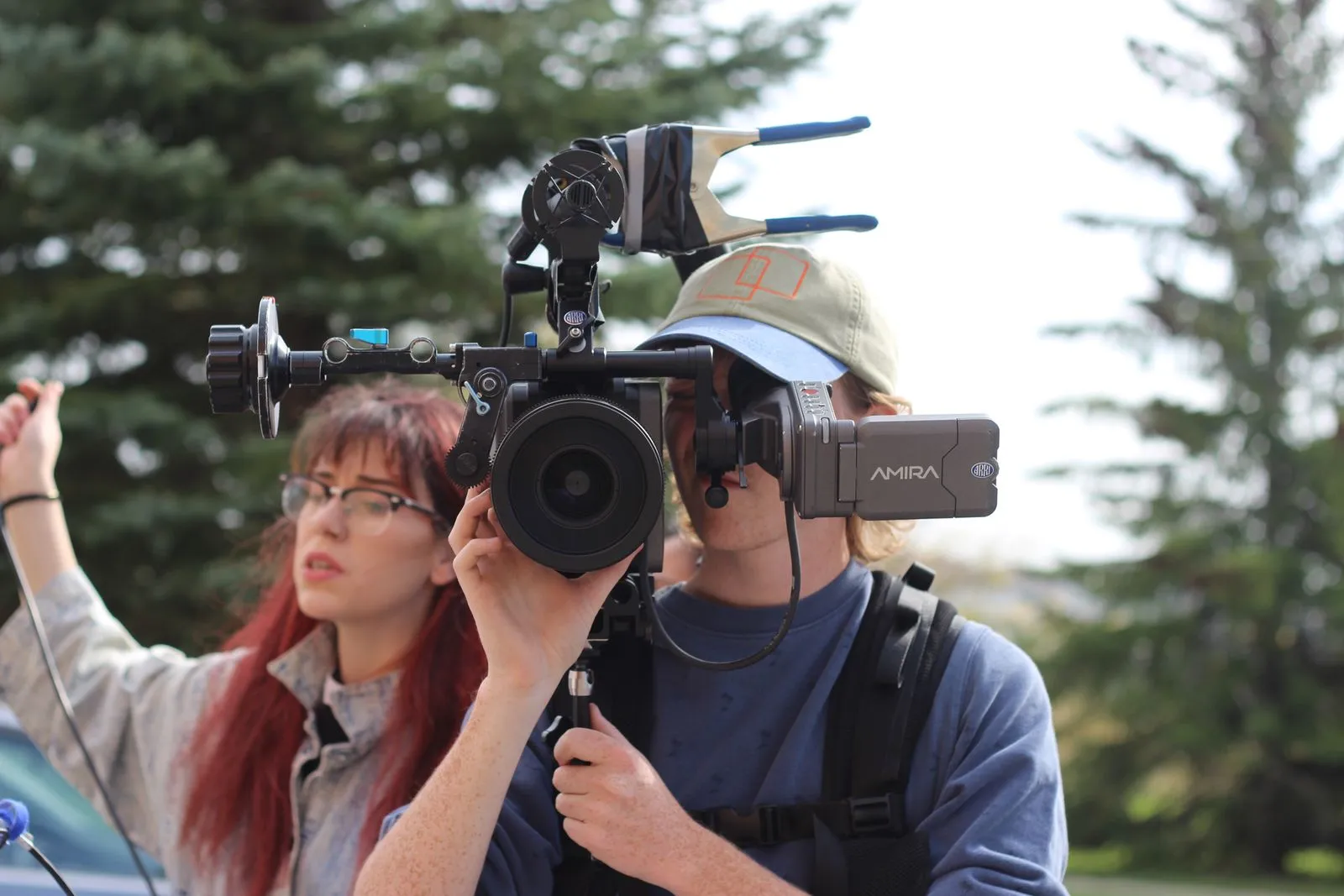
The director of photography shapes the visual approach and works with the director to plan camera and lighting choices. The camera operator frames and moves the camera during a take, while assistants prepare equipment, manage lenses and media, and help maintain camera workflow. A small interview may need a lean camera team; multiple cameras, intricate moves, or a demanding shooting pace can call for more dedicated camera support.
The gaffer leads the lighting crew, translating the lighting plan into safe, workable setups. Electricians help place and manage lighting equipment and power, while grips support rigging, camera movement, and light control. Add specialists when the setup includes extensive rigging, larger lighting packages, moving camera platforms, or frequent changes between locations. Always match staffing to the equipment, safety requirements, and actual work involved.
Cover Sound, Art, and Performers
Production sound mixers record dialogue and other audio on set, and boom operators position microphones while keeping them out of frame. Even a visually simple shoot may benefit from dedicated sound support if clear dialogue matters. Consider additional sound crew when scenes involve several speakers, moving performers, noisy locations, or multiple microphone and recording needs.
The production designer guides the look of sets, props, and locations. Art department staff may source, build, dress, and track those elements. Hair, makeup, and costume teams prepare performers and maintain continuity between shots. These roles become more important when the script calls for detailed environments, period or specialty wardrobe, quick changes, many performers, or consistent appearance across a long shooting schedule.
Add Support for Complex Days
A script supervisor tracks scene details, action, dialogue, and continuity so the footage can be assembled consistently. This role is particularly valuable for projects with many setups, overlapping scenes, detailed performances, or a non-linear shooting order. A production coordinator can also help manage communications, paperwork, travel, and daily logistics when those tasks begin pulling the production manager away from higher-level planning.
Review the schedule and script for specific demands before hiring: stunts, specialized vehicles, children, animals, crowd scenes, location changes, or challenging weather may require trained specialists and additional coordination. Confirm relevant experience, safety needs, and responsibilities in advance. Keep role assignments clear, avoid asking crew members to cover unsafe or unfamiliar work, and adjust staffing when the production plan changes.
The right crew is the one suited to the work, not simply the largest team available. Use the script, schedule, locations, and safety requirements to identify where dedicated skills will protect quality and keep the day manageable. Harbourlight Crew can help you plan production staffing in Halifax; reach out to discuss your project’s needs.